

Womens Haircut With Face Framing Guide
A fresh cut can change more than your hair. The right womens haircut with face framing can soften strong angles, bring balance to fuller features, and make everyday styling feel noticeably easier. It is one of those details that looks effortless when it is done well, but the result depends on thoughtful placement, length, and how it works with your natural texture.
Face-framing pieces are not a single haircut. They are a shaping technique built into a cut, designed to highlight the cheekbones, open the face, or create a gentler transition around the jawline. That is why two clients can ask for face framing and leave with very different results. The best version is always personal.
What a womens haircut with face framing really means
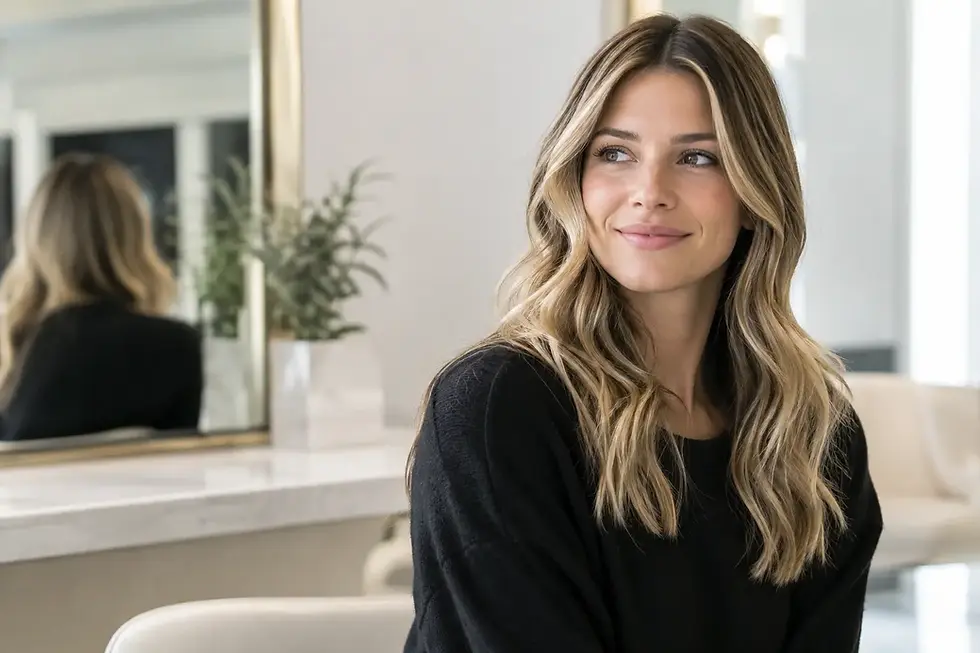
When stylists talk about face framing, they are usually referring to shorter or more sculpted sections around the front of the haircut. These pieces can begin near the cheekbones, lips, chin, or collarbone depending on your goals. They may blend into layers, connect to curtain bangs, or simply add soft movement at the front while the rest of the hair stays one length.
This matters because the front sections are what most people notice first. Even a subtle adjustment there can make long hair feel lighter, a blunt lob feel softer, or medium-length layers feel more polished. Face framing is often the difference between a cut that looks technically correct and one that looks beautifully tailored.
It also offers flexibility. If you like to wear your hair up, those front pieces can keep a ponytail or bun from looking too severe. If you usually wear your hair down, they can prevent the cut from feeling heavy or flat around the face.
Who it suits and why it is so popular
A womens haircut with face framing works for most face shapes because it is not about forcing everyone into the same silhouette. It is about creating proportion.
On rounder faces, longer face-framing layers can create gentle vertical lines and a more elongated look. On square or angular faces, soft pieces around the cheekbones or jaw can add movement and reduce harshness. On heart-shaped faces, the right front layers can balance a broader forehead and draw attention downward. Oval faces usually have the most flexibility, but even then, the cut should still match hair density and styling habits.
Hair texture plays just as big a role as face shape. Straight hair shows every line of the cut clearly, so precision matters. Wavy hair gives face framing a soft, lived-in feel. Curly hair can look stunning with front shaping, but the stylist needs to account for shrinkage and movement. Fine hair often needs lighter, more strategic framing so the front does not look thin. Thick hair may benefit from internal weight removal along with front layers so the shape feels fluid instead of bulky.
That is part of the appeal. Face framing feels current, but it is not trend-dependent. It can be subtle and classic or more noticeable and fashion-forward.
The most flattering lengths for face-framing layers
The starting point of the front pieces changes the overall effect. If the shortest point begins near the cheekbone, the result is more lifted and expressive. If it begins closer to the chin, it tends to feel softer and more understated. Collarbone-length framing is often ideal for clients who want movement without committing to obvious layers.
For long hair, face framing can keep the look from feeling too solid or weighed down. This is especially useful if you like length but still want shape. For medium-length cuts, it helps create flow and prevents the haircut from sitting heavily around the shoulders. For bobs and lobs, it can make the silhouette feel more refined, especially when paired with a side part or soft bend through the ends.
There is a trade-off, though. The shorter the framing pieces, the more styling they may require. Very soft, longer layers usually grow out beautifully and need less daily attention. Shorter pieces around the face can be stunning, but they may need a round brush, curling iron, or a bit of product to sit exactly the way you want.
What to ask your stylist for
The best salon conversations are clear but not overly technical. Instead of asking only for face framing, describe the effect you want. Do you want your cheekbones to stand out more? Do you want your hair to feel lighter around the front? Do you want a softer jawline or more movement when you wear your hair up?
Photos help, but they should start a conversation, not end one. A reference on someone with different hair density, texture, or face shape may not translate directly. A skilled stylist will take the mood of the photo and adapt it to suit you.
It is also worth discussing how often you style your hair. If you prefer wash-and-go simplicity, say so. If you are happy to use a blow dryer and brush a few times a week, that opens the door to more defined shaping. The most flattering haircut is the one that still looks good in real life, not just when you leave the chair.
At a client-centered salon, this part of the appointment matters as much as the cutting itself. Precision creates the shape, but listening creates the right result.
Should you add bangs or keep it simple?
Face framing and bangs often get mentioned together, but they are not the same. Curtain bangs are one popular form of face-framing detail, especially if you want softness through the forehead and temples. They can make the front of the haircut feel styled even on days when the rest of the hair is simple.
Still, bangs are more of a commitment. They need maintenance, and how they behave depends heavily on your hairline, cowlicks, and humidity. If you want the effect of softness without the upkeep, longer front layers may be the better choice.
This is where personal routine matters more than trend photos. Some clients love the polished look of curtain bangs and do not mind regular trims. Others prefer face framing that can tuck behind the ears and grow out gracefully. Neither is better. It depends on how you want your hair to support your day.
Styling a womens haircut with face framing at home
Face-framing pieces tend to look best when they have a little direction. That does not mean they need a full styling session every morning. Often, a few intentional steps are enough.
If you blow-dry, use a round brush or a large barrel brush to guide the front away from the face for a soft, open effect. If you prefer heat tools, a quick bend with a curling iron can help the layers fall neatly and connect with the rest of your hair. If your texture is naturally wavy, a light cream or mousse can encourage the front pieces to separate beautifully without looking stiff.
Product choice matters. Heavy oils can weigh down shorter front layers and make them separate in the wrong places. Very dry texture sprays can sometimes make the ends look fuzzy. A lightweight smoothing cream, flexible hairspray, or soft styling lotion is often enough.
If you wear your hair up often, face framing becomes even more valuable. A clean ponytail with a few softly shaped pieces around the front can look polished without feeling severe. It is one of the easiest ways to make an everyday style feel intentional.
When face framing may not be the right choice
There are times when less is more. If your hair is extremely fine and already feels sparse around the temples, too much front layering can make the ends look thinner. If you almost never style your hair and prefer a blunt, one-length finish, prominent face framing may feel fussy rather than helpful.
It can also be tricky if your front hairline has strong growth patterns that fight the shape. That does not mean it is off the table, only that the cut should respect how your hair naturally moves. A softer, longer frame is often the smarter option in those cases.
The goal is not to force a look. It is to create something that feels elegant, easy, and believable on you.
Why precision matters more than trends
Face framing looks simple, but it is one of the most visible details in a haircut. A few inches too short or too disconnected, and the shape can feel choppy. Done with care, it adds softness, movement, and that unmistakable sense that the haircut was designed for your features rather than copied from a photo.
For clients in Foster City and nearby communities who want a cut that feels polished but personal, this is where an experienced stylist makes all the difference. At Bliss & Blade, the most memorable results come from that balance of technical craftsmanship and attentive consultation.
A beautiful haircut should not ask you to become someone else. The right face-framing cut simply brings your features forward with a little more ease, a little more shape, and a lot more confidence the moment you catch your reflection.


Comments